
TPMS Service in Peabody, MA

Have you ever noticed a yellow light on your dashboard that looks like a horseshoe with an exclamation point in the middle? That's your Tire Pressure Monitoring System (TPMS) light warning you about a potential problem. Trust FasTrack Automotive, Inc. in Peabody, MA, to diagnose, fix, and reset your TPMS light.

What is the Tire Pressure Monitoring System (TPMS)

Most automobiles manufactured after 2007 are equipped with TPMS. The system uses sensors in each wheel to monitor tire pressure. These sensors transmit data wirelessly to a receiver in your car, letting you know if any tire is underinflated. Regular tire pressure checks ensure the light stays off.

Why Tire Pressure Should Always Be Monitored

Proper tire pressure is crucial for vehicle safety, fuel efficiency, and tire longevity. Under-inflated or over-inflated tires can lead to poor handling, reduced gas mileage, uneven tire wear, and even blowouts. The Tire Pressure Monitoring System (TPMS) plays a role in alerting drivers like you when tire pressure is too low to avoid such predicaments.

When the TPMS light comes on, and you visit our team, we'll check the air pressure in all your tires and inflate them to the manufacturer's recommended level. In some cases, TPMS sensors may need to be reprogrammed to communicate properly with your car's computer system. No matter how big or small the job is, our team can handle it with care.

TPMS Service Near Me

For the best TPMS service in Peabody, MA, bring your vehicle to FasTrack Automotive, Inc., located at 147 Summit St #10. We'll help ensure your tires are properly inflated for safety, performance, and optimal fuel economy.

Tire Pressure Problems? FasTrack Automotive, Inc. Has You Covered with Expert TPMS Service.

How do I know if I need a new TPMS sensor or just air?

The quickest way to tell is a diagnostic scan, since low tire pressure and a failed sensor can trigger the same warning light. If your tires are properly inflated but the light stays on, the sensor itself is often the problem rather than the air. Bring your vehicle to FasTrack Automotive, Inc. in Peabody and we'll check both your pressure and your sensors so you only pay for what you actually need.

Why is my TPMS light blinking instead of staying on?

A blinking TPMS light usually points to a problem with the system itself, not just low tire pressure. A steady light typically means a tire is underinflated, while a light that flashes for a while before staying on often signals a sensor or system malfunction that needs diagnosing. Have it checked by the expert team at FasTrack Automotive, Inc. and we'll find out whether it's a sensor, the battery inside it, or something else.

Do all my tires need sensors, including the spare?

Each of your four road tires has its own TPMS sensor, while most spares do not, though some full-size spares are equipped with one. That's why your system monitors the tires you drive on rather than a temporary spare, and swapping a spare in can sometimes trigger the light. Call FasTrack Automotive, Inc. at (978) 977-0707 and we'll make sure every sensor on your vehicle is accounted for and working.

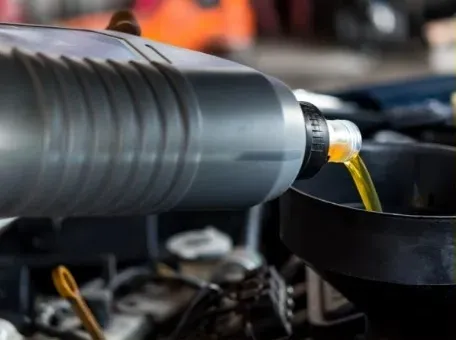
A person is pouring oil into a car engine - FasTrack Automotive, Inc.
By Fastrack Automotive • January 27, 2023
One of the Most Important Components Your car's oil is one of the most important components to keep your vehicle running smoothly and efficiently. It lubricates moving parts, helps reduce wear and tear on the engine, and helps keep your engine clean. For these reasons, you must change your car's oil regularly. This article will explore the many benefits of an oil change for your car. Cleaner Engine Components When you have an oil change done, fresh oil gets added to your car, and the old oil is removed. This means that all of the dirt and debris suspended in the old oil is also removed. Over time, this dirt can build up on vital engine components and cause them to malfunction or break down completely if left unchecked. An oil change ensures that all of this dirt and debris is removed from your car so that it can continue running smoothly. Improved Gas Mileage The better the pistons in your engine are lubricated, the more efficiently they will be able to move. This improved efficiency translates into better fuel economy since less energy is used to power each piston stroke. Regularly changing your car's oil will ensure that it has a healthy supply of fresh lubricant, which will help improve its overall fuel efficiency. Reduced Wear and Tear on Your Engine Over time, dirt and debris can wear down delicate engine parts due to friction caused by movement during normal operation. But with regular oil changes done on your car, you don't have to worry about this problem because the old oil (and its dirt) gets drained before the new oil gets put in place. This helps reduce wear and tear on delicate engine components, which keeps them functioning properly for longer periods. In conclusion, regular maintenance, such as changing your car's oil, can help keep it running smoothly for years to come by reducing wear and tear on delicate engine components while also improving gas mileage. Making sure to stay up-to-date with scheduled maintenance, like an oil change, can save you money in both the short-term and long term by preventing expensive repairs caused by neglected maintenance issues! So make sure you take care of your car – it'll thank you later!  -Written by Fastrack Automotive

Featured Blogs & News